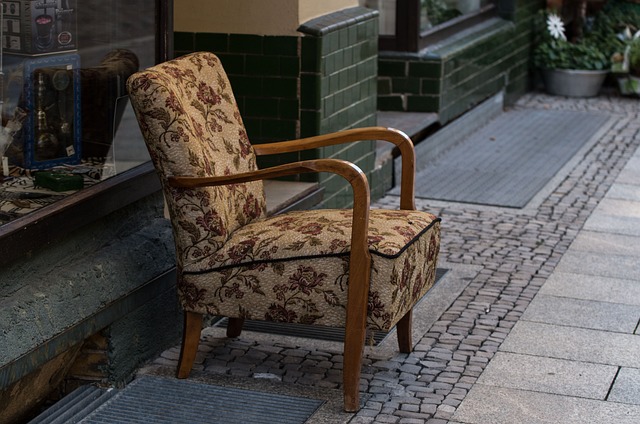
A beginner layout that works
The goal is a space you can use every day, not a display that looks good for a week and becomes difficult to keep up. Start by choosing how you want to use the area: a seat for a tea break, a small table for meals, or a tidy corner for herbs and tools. Then build around that purpose with containers that are stable, easy to water, and sized for the plants you want to grow.
Many Irish balconies and patios face wind and changeable light. A reliable plan is to keep taller containers against a wall or sheltered side, leave a clear path for access, and group plants by similar watering needs. This makes maintenance faster and helps you spot issues early. When you add a new plant, check how quickly the pot dries and how much direct sun the leaves get. Small adjustments, like raising a pot on feet for drainage, can make a visible difference.
Measure, then decide
Measure your usable floor area and leave clear access for doors and storage. A few well-sized pots often feel calmer than many small ones.
Plan for wind and weight
Wind can tip tall containers. Choose heavier planters, use wider bases, and avoid placing unstable items where they could fall.
Drainage is non-negotiable
Use pots with drainage holes and saucers you can empty. If the compost stays wet for days, roots can struggle and leaves may yellow.
Build in layers
Combine one structural plant, a few seasonal flowers, and herbs you use often. This keeps the space useful and visually balanced.
- Pick a purpose for the space (sit, cook, grow, or a mix).
- Note sun direction and how many hours of direct light you get.
- Choose stable containers with drainage and a plan to catch runoff.
- Group plants with similar watering needs to reduce guesswork.
- Leave a clear path so weekly care stays quick and safe.
Plants that suit small spaces
A balcony or patio works best when plants match the conditions you actually have. If your space is exposed, choose plants with sturdy stems and avoid placing tall, top-heavy pots at the edge. If you have shade for much of the day, focus on leafy textures and slow-growing plants that tolerate lower light. Containers heat and cool quickly, so compost quality and watering routines matter more than they do in the ground.
For beginners, it helps to pick a small number of reliable plants and repeat them. This makes care predictable and reduces spending on items that do not settle. When you want more interest, use seasonal additions that you can change without rebuilding your whole layout. If you enjoy cooking, add a compact herb corner; it provides scent, quick harvests, and a reason to step outside for a minute each day.
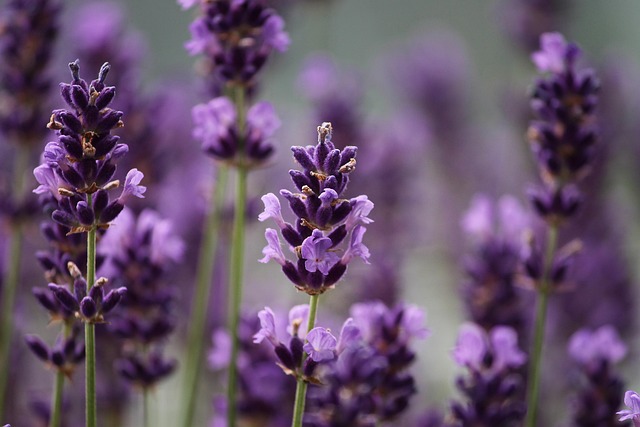
A calm outdoor living setup
A small space can still support a relaxed outdoor lifestyle. Focus on comfort and practicality: a chair you genuinely like sitting in, a small surface for a drink, and lighting that feels warm without being harsh. When you host, a clear layout matters more than decorations. Keep traffic paths open and place plants where guests will not bump them.
If you plan to cook outdoors, keep the area tidy and safe. Store fuel and tools correctly, allow ventilation, and keep flammable items away from heat. You can still enjoy the culture of outdoor meals without crowding your space. Start with one simple setup, then adjust after a few uses. Your patio should support your routine, not create more work.